Across India’s manufacturing sector, packaging expectations are changing quickly. Chemical companies want leak-resistant containers, lubricant brands demand consistent dimensions for automated filling lines, and agricultural businesses often face seasonal production spikes. These practical challenges are encouraging manufacturers to invest in equipment that delivers reliable performance under varying production conditions.
Rather than viewing a blow moulding machine as another factory asset, successful manufacturers treat it as part of their production strategy. The right investment can reduce downtime, improve operational efficiency and create opportunities to serve new markets without major disruptions. That is why understanding how these machines fit into real manufacturing environments is essential before making a purchase.
How 30 litre blow moulding machines Add Value
Every production line reaches a stage where increasing output is no longer the only priority. The ability to manufacture larger containers efficiently while maintaining consistent production becomes equally important, making 30 litre blow moulding machines a natural progression for many manufacturers.
Consider an agricultural chemical manufacturer preparing for the pre-harvest season. Dealers place large orders within a short period, leaving little room for production delays. Every container must meet the same quality standards because even small variations can affect storage, transportation and customer confidence. A reliable machine supports continuous production while maintaining uniform wall thickness and accurate container dimensions throughout the batch.
The benefits extend beyond production speed. Modern machines help maintain uniform wall thickness, optimise material usage and reduce production variations between batches, allowing manufacturers to deliver consistent container quality throughout extended production runs. Manufacturers also gain flexibility to produce different container designs without lengthy interruptions, making it easier to respond to changing customer requirements throughout the year.
Instead of focusing only on today’s workload, forward-thinking businesses evaluate whether their equipment can support future expansion. Investing in machinery that grows alongside production requirements helps manufacturers expand capacity without unnecessary equipment replacement or production disruption.
Beyond the Brochure: Plastic Blow Moulding Machine Manufacturers in India
Choosing among Plastic Blow Moulding Machine Manufacturers in India is about more than comparing specifications on a brochure. The real difference becomes clear after installation, when production begins, and ongoing technical support starts influencing daily operations, supporting reliable long-term production performance.
Imagine a packaging company supplying containers for industrial lubricants across several states. Unexpected machine downtime during peak dispatch periods can delay deliveries and affect long-standing customer relationships. In these situations, responsive engineering support and readily available spare parts become just as valuable as the machine itself.
Reliable manufacturers evaluate container specifications, production targets and future expansion plans before recommending equipment, ensuring the selected machine aligns with long-term operational requirements.
Businesses should also consider long-term service capabilities, operator training and preventive maintenance support. These factors contribute to reliable equipment performance, longer service life and lower operating costs over time.
While production capacity remains one of the most important considerations, manufacturers should also evaluate how consistently a machine performs during continuous operation. Stable cycle times, reliable machine performance and well-engineered systems help maintain production schedules while supporting long-term operational efficiency.
For companies planning future growth, selecting experienced suppliers of 30 litre blow moulding machines with proven engineering expertise helps support long-term production reliability as operational requirements evolve.
Evaluating More Than Machine Capacity
Purchasing decisions often focus on production capacity because it is easy to compare. However, experienced manufacturers know that the real cost of ownership becomes clear only after months of continuous production, routine maintenance and changing customer requirements. While production capacity matters, it rarely tells the complete story. Daily factory performance depends on several practical factors that influence productivity, maintenance and operating costs over the machine’s lifetime. Before investing in 30 litre blow moulding machines, it helps to evaluate the broader picture rather than focusing only on initial specifications.
|
Key Evaluation Area |
Why It Matters for Your Business |
| Production scalability |
Supports increasing customer demand without immediate equipment replacement. |
|
Mould change efficiency |
Reduces downtime when switching between different container designs. |
| Energy consumption |
Lowers operating expenses during continuous production shifts. |
|
Material compatibility |
Allows production using HDPE and other suitable polymers with consistent quality. |
| Automation features |
Improves repeatability while reducing dependence on manual intervention. |
| Service availability |
Minimises production interruptions by providing faster technical assistance. |
Factories rarely remain the same for long. New customers, additional product lines and changing packaging designs all influence future production requirements. Evaluating machinery through a long-term business lens helps manufacturers make informed investment decisions that continue delivering operational value beyond the first year of production.
When Extrusion Blow Moulding Machine Manufacturers Become the Better Choice
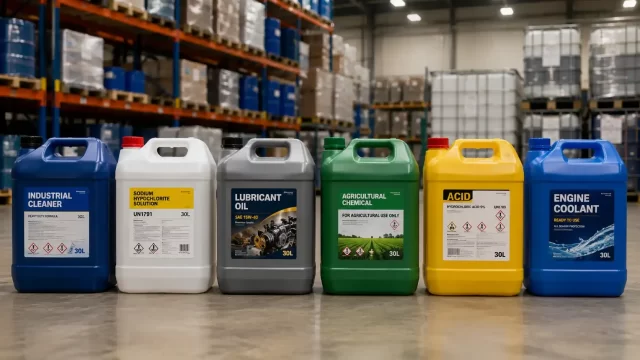
Certain packaging applications demand more than a standard production setup. Containers used for lubricants, industrial chemicals, agrochemicals and cleaning solutions often vary in shape, neck design and wall structure, making the manufacturing process just as important as the final product. This is where experienced extrusion blow moulding machine manufacturers play an important role by offering solutions designed for medium-capacity industrial containers.
Consider a lubricant manufacturer that supplies multiple container sizes to distributors across different regions. Instead of investing in separate production systems for every product variation, the business benefits from equipment that can accommodate different mould configurations while maintaining efficient production. This flexibility allows manufacturers to respond to changing market requirements with fewer production interruptions.
The same advantage applies when businesses expand their product range. Rather than replacing existing equipment, 30 litre blow moulding machines provide the capability to produce a variety of medium-capacity containers using appropriate tooling configurations. Working with an experienced HDPE blow moulding machine manufacturer also helps businesses select machine specifications that align with their current production needs while supporting future product development.
Understanding the Total Cost of Ownership
The machine’s purchase price is only one part of the investment. Daily operating expenses often determine the actual return over the next five to ten years. Before selecting 30 litre blow moulding machines, manufacturers should evaluate the costs that quietly influence profitability throughout the machine’s lifecycle.
Some of the most overlooked considerations include:
- Matching machine output with planned production volumes.
- Selecting a configuration suitable for current and future container sizes.
- Evaluating automation features based on production requirements.
- Understanding mould compatibility before expanding product ranges.
- Choosing equipment that supports efficient material utilisation.
These operating costs rarely appear during the purchasing stage, yet they influence profitability throughout the machine’s lifecycle. Evaluating them early helps manufacturers avoid unexpected expenses and improve long-term production planning.
Another overlooked expense is production interruption during maintenance. If servicing requires lengthy shutdowns or spare parts are difficult to source, even a single day’s lost production can outweigh the savings from purchasing a lower-priced machine.
Growth Starts with the Right Production Decision
Selecting the right Blow Moulding Machine in India has become a strategic manufacturing decision as businesses place greater emphasis on production efficiency, product consistency and long-term scalability. Customers no longer evaluate suppliers only on price; they also expect consistent packaging, faster deliveries and the flexibility to introduce new container designs without extended production delays. As a result, machinery selection has become part of a broader business growth strategy rather than simply replacing ageing equipment.
A growing manufacturer supplying cleaning chemical containers provides a practical example. Initially, production focused on a single standard container, but retail demand soon expanded to include multiple sizes for different market segments. Instead of investing in separate production lines, the company benefited from equipment that could adapt to changing requirements while maintaining quality standards. This flexibility made 30 litre blow moulding machines a practical choice for balancing productivity with future expansion.
Manufacturers should also consider how their equipment aligns with broader industry trends. Greater emphasis on automation, efficient material usage and reduced production waste is encouraging businesses to invest in machinery that supports sustainable manufacturing without compromising output. These improvements strengthen competitiveness while helping companies respond to evolving customer expectations.
Future-Ready Investment Decisions
A successful machinery purchase should continue delivering value as the business grows. Instead of selecting equipment only for today’s production targets, manufacturers benefit from considering how their operations may evolve over the next several years. 30 litre blow moulding machines often become an important step towards building a scalable and more resilient production facility.
When evaluating future readiness, focus on factors such as:
- Expansion potential without major production disruption.
- Integration with automation and digital monitoring systems.
- Reliable nationwide service and technical support.
- Flexibility to accommodate new container designs.
- Strong engineering expertise from the equipment manufacturer.
One practical question is rarely asked during the buying process: “Will this machine still meet production expectations five years from now?” Businesses planning future expansion often benefit from choosing equipment that supports additional mould options, automation upgrades, and higher production volumes without requiring a full system replacement.
Many businesses eventually expand into larger packaging solutions as customer requirements grow. Future expansion often requires larger-capacity equipment rather than a complete overhaul of the production strategy. Partnering with experienced 500-litre blow moulding machine manufacturers gives businesses greater flexibility to scale production while continuing to work with a trusted machinery supplier.
Manufacturers should ensure that blow moulding equipment is installed, operated and maintained in accordance with applicable factory safety requirements and relevant industrial regulations before commencing commercial production. See the Occupational Safety, Health and Working Conditions Code 2020, for the applicable workplace safety framework.
Businesses should also ensure that their machinery complies with applicable Indian industrial safety requirements and quality standards and work with experienced manufacturers that provide reliable technical support throughout the equipment lifecycle.
Conclusion
Selecting the right 30-litre blow moulding machines is about more than achieving higher production output. It involves understanding operational challenges, planning for future growth and choosing equipment that delivers consistent quality across changing production demands. By considering engineering support, operating costs, production flexibility, and long-term scalability, manufacturers can make investments that continue to generate value for years to come.
If you are planning to expand your production capabilities, contact IFC Blow Moulding to discuss a solution that aligns with your manufacturing goals, production volumes, and future growth plans. Their experienced team can help you choose the right machine, optimise your manufacturing process and support your business as production requirements continue to grow.
Frequently Asked Questions
- What industries commonly use 30 litre blow moulding machines?
Industries such as chemicals, lubricants, agriculture, food processing, industrial cleaning and water treatment frequently use these machines to manufacture durable plastic containers that require consistent dimensions, reliable strength and dependable production quality.
- Why should I choose a 30 litre machine instead of a smaller model?
A 30-litre machine offers greater production flexibility, supports medium-capacity container manufacturing and provides room for business growth. It helps manufacturers manage increasing customer demand while maintaining consistent product quality and operational efficiency.
- How do I know if a 30-litre machine is the right capacity for my business?
Evaluate production capacity, energy efficiency, mould compatibility, service support, spare part availability, automation features and future expansion requirements. Looking beyond the purchase price helps ensure better long-term performance and lower operating costs.
- How important is after-sales support for blow moulding equipment?
After-sales support plays a significant role in maintaining production continuity. Quick technical assistance, preventive maintenance, and readily available spare parts reduce downtime, extend machine lifespan, and help businesses maintain reliable delivery schedules.
- Can these machines produce different types of plastic containers?
Yes. Depending on the machine configuration and mould design, manufacturers can produce containers for lubricants, chemicals, cleaning products, agricultural applications and several other industrial uses while maintaining consistent quality across production batches.
- Why should manufacturers work with experienced blow moulding machine suppliers?
Experienced suppliers understand production challenges beyond machine specifications. They provide engineering guidance, installation support, operator training and long-term technical assistance, helping manufacturers achieve better productivity and confidence in their investment.
